
Regional Health Emergencies and Disasters

Brydyak/Freepik
black flying foxes hanging
black flying foxes hanging
©
Credits
Nipah virus infection
On 11 June 2026, the Kerala State Health Department confirmed one laboratory confirmed case of Nipah virus (NiV) infection in Kozhikode district, Kerala State, India. The case is an adult male who developed symptoms on 30 May 2026 and was hospitalized on 10 June 2026. He presented with neurological manifestations and at the time of reporting is on ventilatory support in an intensive care unit (ICU). As of 18 June 2026, a total of 104 contacts had been identified and were under monitoring, including health and care workers, with no reported secondary cases to date. The current event involves a single confirmed case, with no secondary transmission identified to date. Public health measures are in place, including isolation, contact tracing, and enhanced surveillance.
DMC Sri Lanka
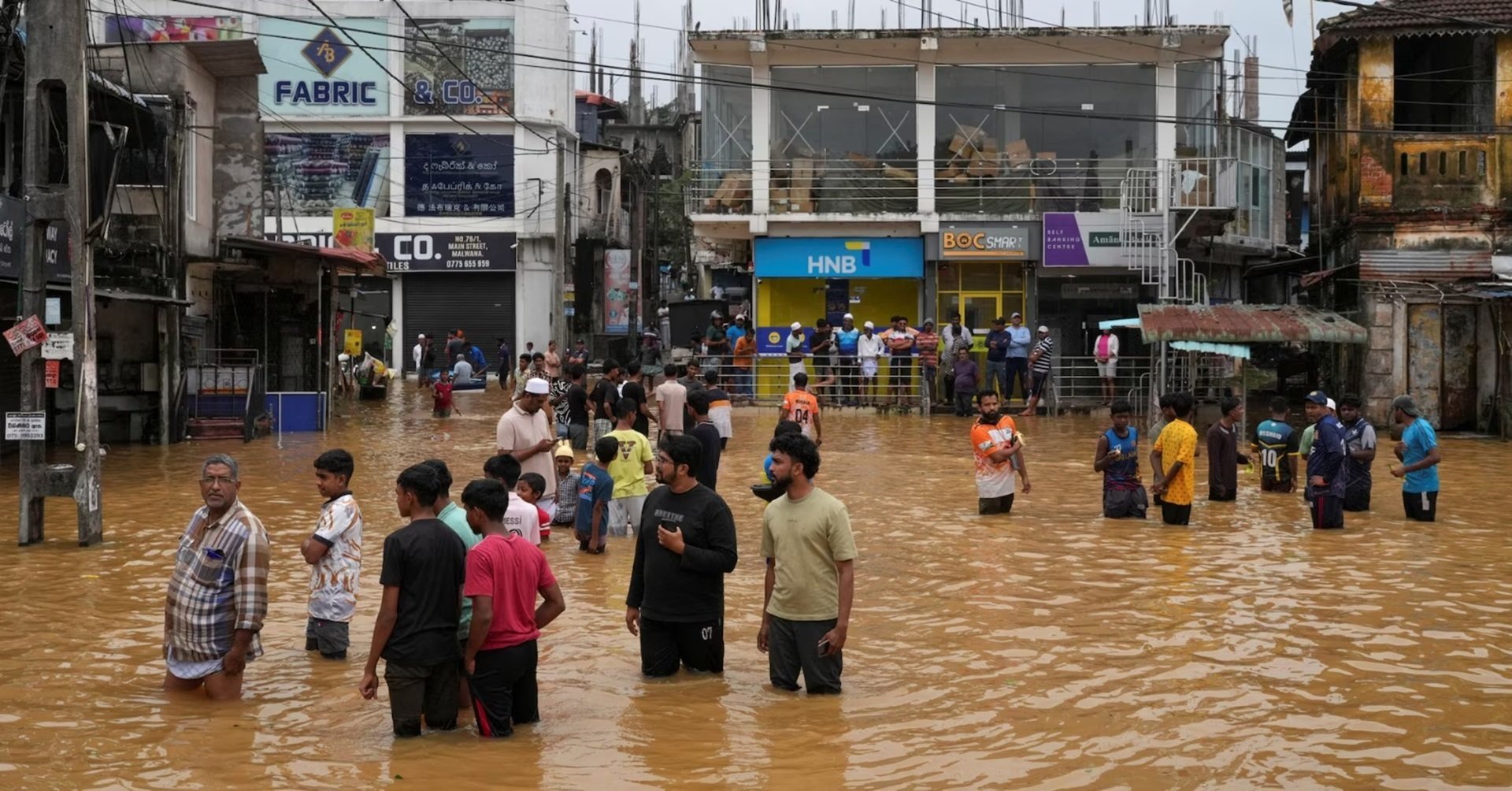
People moving in Water logged area
People moving in Water logged area
©
Credits
Sri Lanka Floods and landslides – Cyclonic storm Ditwah November 2025
02 December 2025, Sri Lanka is experiencing torrential rainfall, severe flooding and landslides as the northeast monsoon intensifies, worsened by the impact of Cyclonic Storm Ditwah which made landfall on the island’s eastern coast early morning on 28 November 2025. Cyclone Ditwah has resulted in a devastating nationwide emergency in Sri Lanka, affecting more than 1.4 million people from over 407,594 families across all 25 districts as of 10.00 am on 02 Dec 2025. The cyclone caused 410 confirmed deaths, and 336 people remain missing. Nearly 233,000 people have been displaced into almost 1,441 active shelters as homes and community infrastructure sustained severe damage.
WCO/Myanmar
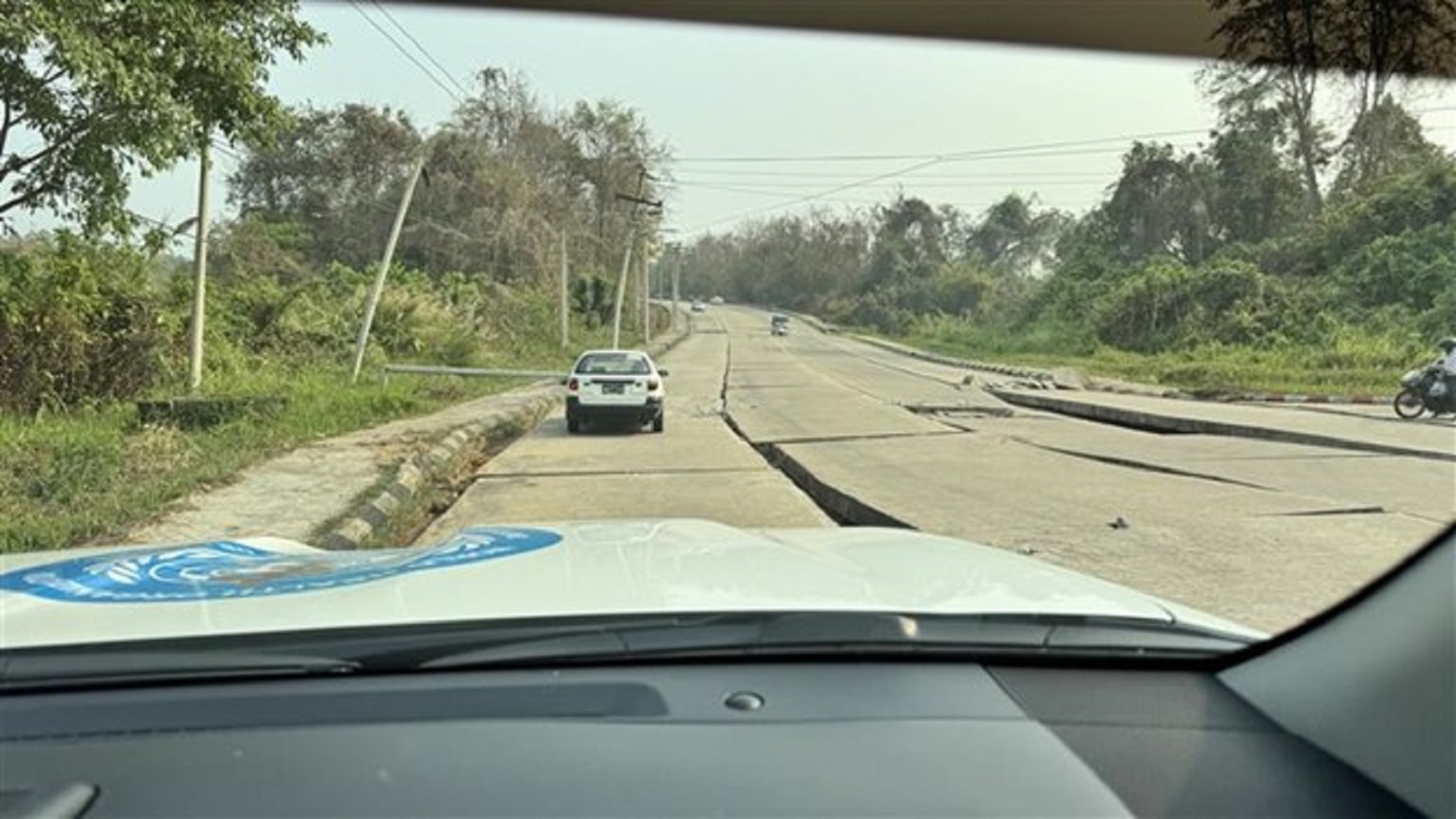
Road damage en route to Nay Pyi Taw, disrupting access for emergency response and humanitarian delivery
Road damage en route to Nay Pyi Taw, disrupting access for emergency response and humanitarian delivery
©
Credits
Myanmar Earthquake 2025 Update
On 28 March 2025, two powerful earthquakes struck central Myanmar’s Sagaing Region near Mandalay. The first, with a magnitude of 7.7, occurred at 12:50 p.m. local time, followed by a second of magnitude 6.4 at 1:02 p.m. Multiple aftershocks have since been reported, disrupting ongoing rescue operations
WHO/SEAR/WHE/HIM
Epi bulletin banner
Epi bulletin banner
©
Credits
WHO South-East Asia Region Epidemiological Bulletin
This epidemiological bulletin aims to provide the situation of key infectious diseases in the WHO South-East Asia region to inform risk assessment and response by countries. The bulletin uses information from publicly available sources and will be published every two weeks.
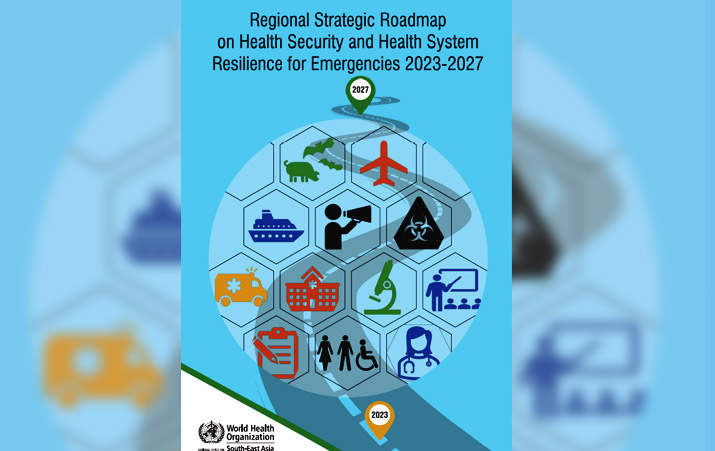
The Regional Strategic Roadmap on health security and health system resilience for emergencies 2023–2027 was developed under the overall guidance of the Director of the WHO Health Emergencies Programme, by WHO Regional Office staff. Inputs from literature reviews, Member States’ self-assessments and joint external evaluations of IHR (2005) core capacities, intra-action reviews of COVID-19 response at country and regional levels, and reports of regional consultations, were used in its preparation. Experts and partners provided valuable guidance on the lessons learnt from the COVID-19 response. The Health Emergencies Department of the Regional Office expresses its gratitude to all individuals who actively participated in, helped organize content and contributed to the formulation of the Roadmap.
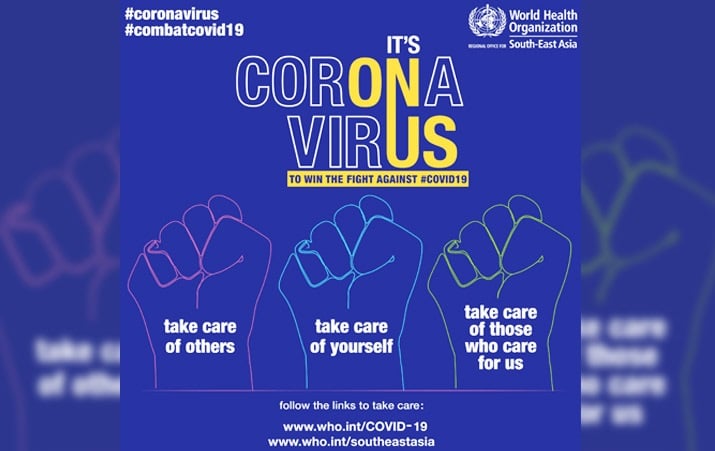
As the COVID-19 pandemic spreads, WHO is supporting countries in their containment and mitigation efforts such as by providing technical guidance, laboratory capacity strengthening for testing, equipment for hospitals and healthcare workers, and creating awareness and addressing misinformation. This website provides information and guidance of relevance to the WHO South-East Asia Region.
Highlights
Disease Outbreak News (DONs)
What We Do

WHO Health Emergencies
South-East Asia Region
WHO/Ploy Phutpheng
Thai Red Cross Emerging Infectious Diseases - Health Science Centre/ WHO Collaborating Centre for Research and Training on Viral Zoonoses
Thai Red Cross Emerging Infectious Diseases - Health Science Centre/ WHO Collaborating Centre for Research and Training on Viral Zoonoses
©
Credits

Publications
All →
Building for Change
Good practices in Health Emergencies in South-East Asia
Guidelines
Multimedia
Partnership and Donor Information
Events
Social Media/Tweets
/featured/searo-x.png?sfvrsn=fa1d228c_4 "searo-x")
Social Media/Facebook
Contact Us
WHO Health Emergencies Programme (WHE)
World Health Organization
Regional Office for South-East Asia
Email: searwhe@who.int
World Health Organization
Regional Office for South-East Asia
Email: searwhe@who.int