Assessed contributions

Assessed contributions

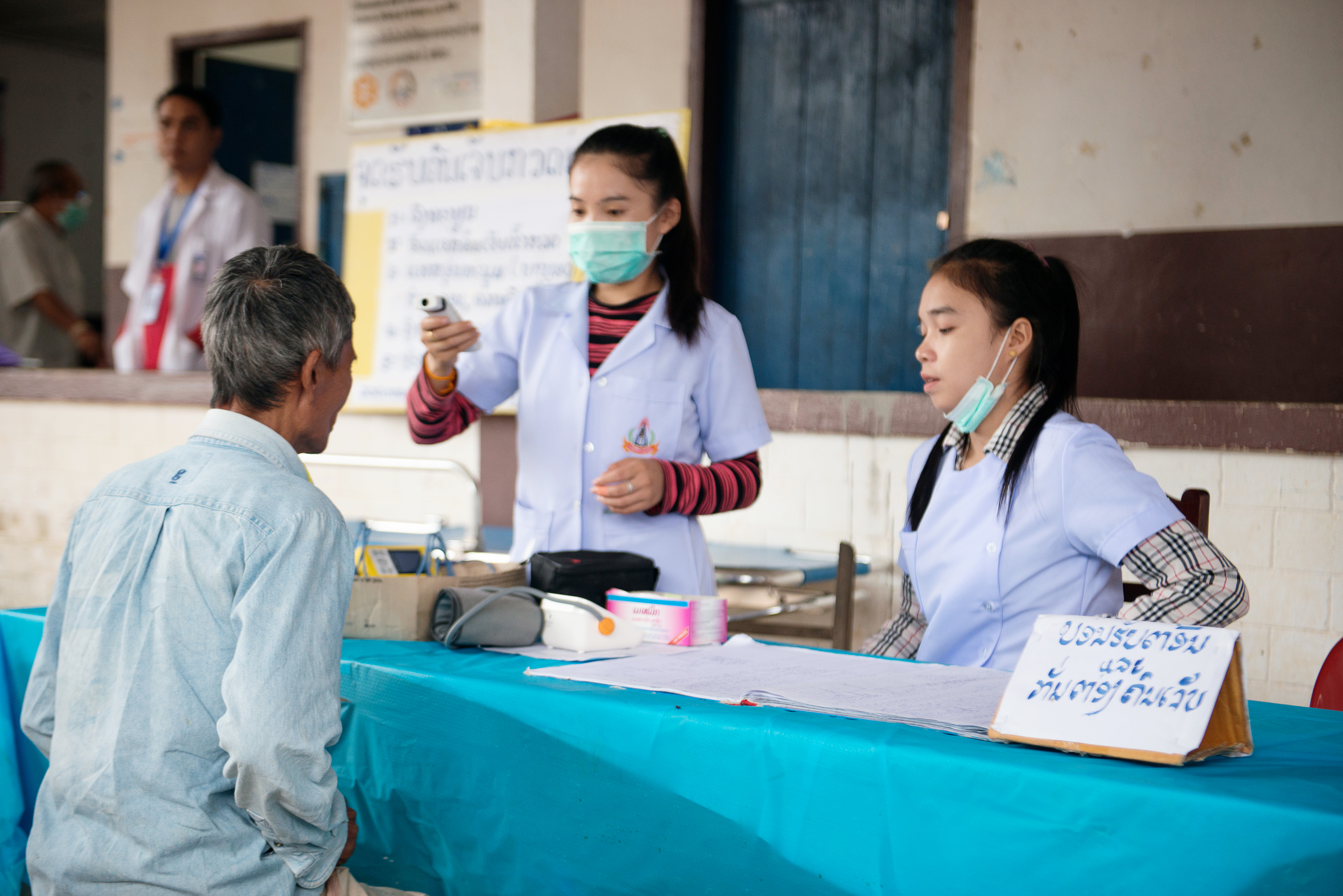
WHO/S. Liste
© Credits

Assessed contributions (AC) are the amounts each of the 196 Members and Associate Members must pay to WHO on an annual basis. The assessment scale is calculated by the United Nations based mainly on the country’s GDP and is adjusted for WHO’s membership. It is approved every two years by the World Health Assembly (refer to the latest approved assessment scale resolution attached here).  

Assessed contributions are a key source of financing for the Organization, providing predictable financing, helping to minimize the dependence on a narrow donor base, and allowing resources to be aligned to the Programme Budget.  Assessed contributions have declined as an overall percentage of the Programme Budget and have, for several years, accounted for less than 20% of the Organization’s financing. The balance is mobilized through voluntary contributions.

Notice of Assessments and Statements of Account

All →

Click the All button to search for the latest Notice of Assessment and Individual Statements of Account by Member State and by year. Notice of assessments are available for each biennium, please select 2020 as dropdown filter.

Ghana’s 2012 Mental Health Law established an ambitious framework for integrated, community-based services and rights-based care. Yet more than...

Multi-country outbreak of mpox, External situation report_66

This is the 66th situation report for the multi-country outbreak of mpox, which provides details on the global epidemiological situation for mpox, including...

In April 2026 (epidemiological weeks 14 to 17), a total of 20 100 new cholera and acute watery diarrhoea (AWD) cases were reported from 15 countries, territories,...

Middle East Conflict global situation report 28 May 2026

This is the eighth global public WHO situation report on the conflict in the Middle East. It covers the health situation and WHO operational updates from...

In week 20 2026, influenza positivity remained below 10% and SARS-CoV-2 activity remained low globally and in the northern hemisphere temperate and subtropical...

20260526_BVD_DRC & Uganda

This Rapid Risk Assessment (RRA) aims to assess the risk of Ebola disease caused by Bundibugyo virus in the Democratic Republic of the Congo and Uganda,...

This risk evaluation summarizes current evidence on Rift Valley fever (RVF) virus, provides a risk evaluation based on the latest evidence, assesses the...