
Emergencies
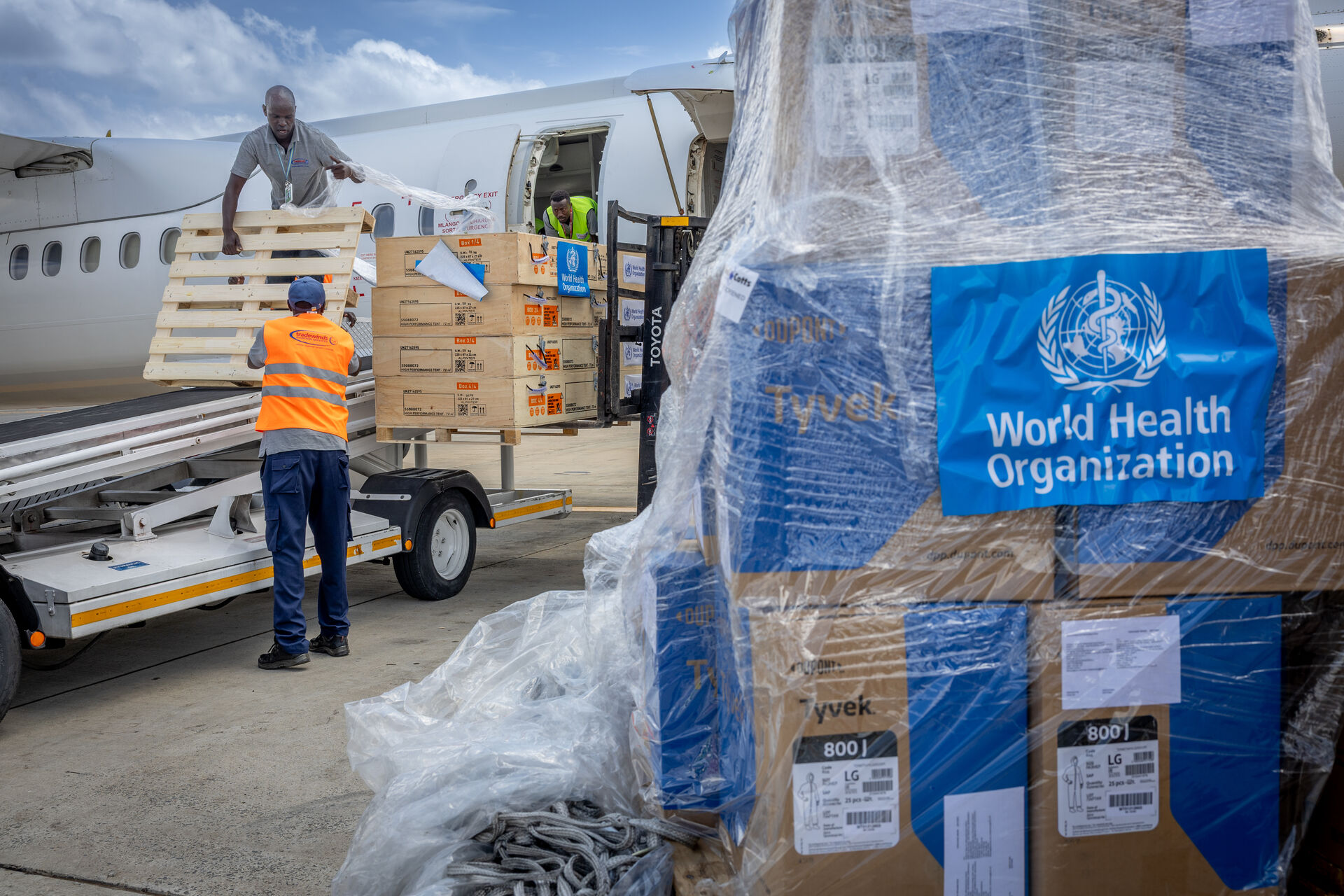
Guided by science, WHO leads global efforts with countries and partners to reduce risks and protect people’s lives. When crises occur, we bring expertise and partners together to act fast, save lives and keep health care available for communities.
Global health emergencies
All →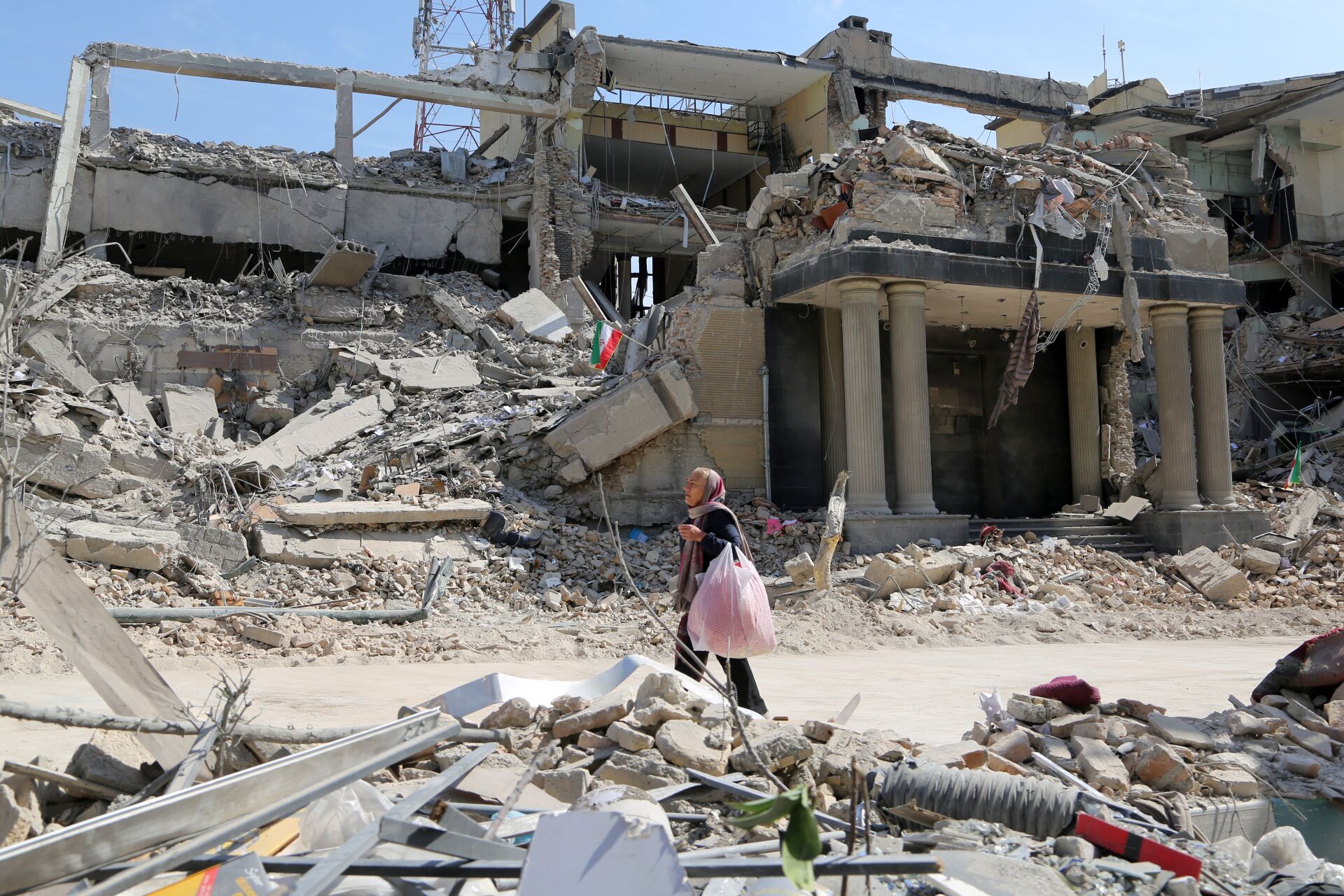

Our emergency work in focus
All →
Publications
All →
24 August 2026
Infection prevention and control considerations for routine immunization activities during the Bundibugyo...
This interim guidance document provides infection prevention and control considerations to support the safe planning and implementation of routine immunization...
17 August 2026
Protecting health care during the Bundibugyo virus disease response in the eastern Democratic Republic...
This operational guidance provides practical considerations for integrating protection measures and maintaining the continuity of essential health services...
13 July 2026
The Diagnostic testing for Ebola disease and Marburg virus disease: interim guidance, 9 July 2026
Rapid diagnosis of Ebola disease (EBOD) and Marburg virus disease (MVD) is critical to provide timely and appropriate care and stop transmission. These...
Filovirus disease outbreaks pose significant public health threats, and treatment centres have become essential infrastructure for outbreak response. This...
Documents
All →
25 August 2026
Greater Horn of Africa Food Insecurity and Health Crisis, Strategic Response Plan (August 2026–January...
The Greater Horn of Africa (GHoA) is facing a rapidly deteriorating humanitarian and public health crisis driven by conflict, displacement, recurrent climate...

11 August 2026
Attacks on health care dashboard - 2018
Health care is under attack. The sanctity of health care, the right to health, and International Humanitarian Law are threatened. Such attacks deprive...

11 August 2026
Attacks on health care dashboard - 2019
Health care is under attack. The sanctity of health care, the right to health, and International Humanitarian Law are threatened. Such attacks deprive...

11 August 2026
Attacks on health care dashboard - 2024
Health care is under attack. The sanctity of health care, the right to health, and International Humanitarian Law are threatened. Such attacks deprive...