Classifications

International Classification of Health Interventions (ICHI)

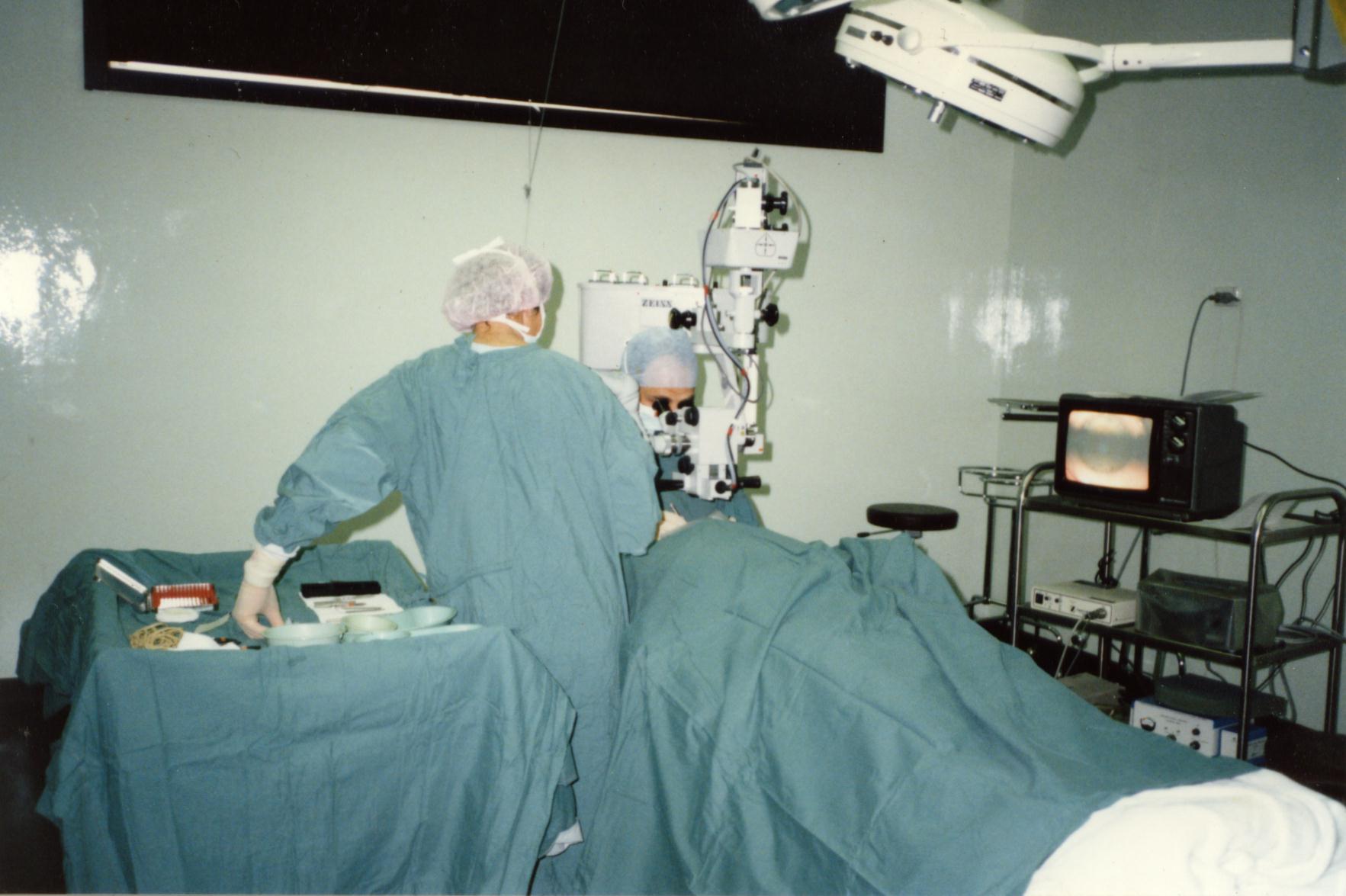
The purpose of this classification is to provide Member States, health care service providers and organizers, and researchers with a common tool for reporting and analysing the distribution and evolution of health interventions for statistical purposes. It is structured with various degrees of specificity for use at the different levels of the health systems, and uses a common accepted terminology in order to permit comparison of data between countries and services.

History: The need to classify interventions first emerged in 1971. It was initially limited to surgical procedures. The first International Classification of Procedures in Medicine (ICPM) was published in 1978. International work on the subject came to a virtual halt in 1989 , because of the inadequacy of the consultation procedures with regard to the necessary adaptability to rapid and extensive changes in the field.

A number of countries, however, undertook work for national purposes. The resulting classifications came short of providing adequate tools for use at the international level. Today, the need for an international classification has reemerged with a wider scope. The envisaged International Classification of Health Interventions aims to cover a wide range of measures taken for curative and preventive purposes by medical, surgical and other health-related care services.

Current status: In recent years, the Network of WHO Collaborating Centres for the Family of International Classifications has promoted the development of a short list of health Interventions for international use, based on the Australian Modification of the International Classification of Diseases, 10th revision (ICD-10-AM) It is intended to be used in countries that do not, as yet, have their own classification of interventions.

An initial ICHI version is being adapted to meet present day conformance criteria with recognized standards. In particular, the multiple application areas of such a classification calls for a multiaxial capture of the underlying knowledge. Furthermore rapid change in science and technology implies frequent updates. Adequate technical solutions must therefore be developed. The Family Development Committee of the Network of WHO Collaborating Centers for the Family of international Classifications is actively developing plans and canvassing support to that end.

SNOMED-CT to ICD-10 Maps Preview Release

The World Health Organization and The International Health Terminology Standards Development Organization (IHTSDO) are pleased to announce that a preview release of SNOMED CT to ICD-10 cross maps is now available

ICD-10 ONLINE

ICF ONLINE

International Classification of Functioning, Disability and Health

HISTORY OF UPDATES

ANNOUNCEMENT

1 July 2011 - The Australian Institute of Health and Welfare (AIHW), in its role as the Australian Collaborating Centre for the WHO’s Family of International Classifications, hosted Towards ICD-11 for Australia to announce the World Health Organization's (WHO) development process for the International Classification of Diseases 11th revision (ICD-11).

ANNOUNCEMENT

22 July 2010 - WHO and the International Health Terminology Standard Development Organisation (IHTSDO) have worked on a collaborative arrangement to link the WHO Family of Classifications and the Standardized Nomenclature of Medicine - Clinical Terms (SNOMED CT). This arrangement enables the linkage of terminologies and classifications. In the era of computerization of health information and electronic health records, it represents a major achievement.

Internal Medicine TAG – Hepato-pancreatobiliary Workgroup Co-Chair Dr Emmet B. Keeffe dies

April 12, 1942 – August 8, 2011 Dr Emmet B. Keeffe, co-chair of the hepato-pancreatobiliary working group of the International Classification of Diseases revision, passed away unexpectedly on August 8, 2011 at the age of sixty-nine. In addition to being an active chair in the ICD revision, Dr Keeffe was a former president of the American Gastroenterological Association and Professor of Medicine Emeritus in Hepatology at Stanford University. Dr Keeffe published more than 700 journal articles and book chapters, largely focusing on his clinical research interest: treatment of chronic hepatitis B and C. His full biography can be read online. We will miss his contributions to medicine and science, particularly in his work towards revising the International Classification of Diseases. We are all saddened by his death – which will unfortunately be coded in ICD-10. On behalf of WHO and ICD revision, we extend our sympathies to his family, friends and colleagues.